
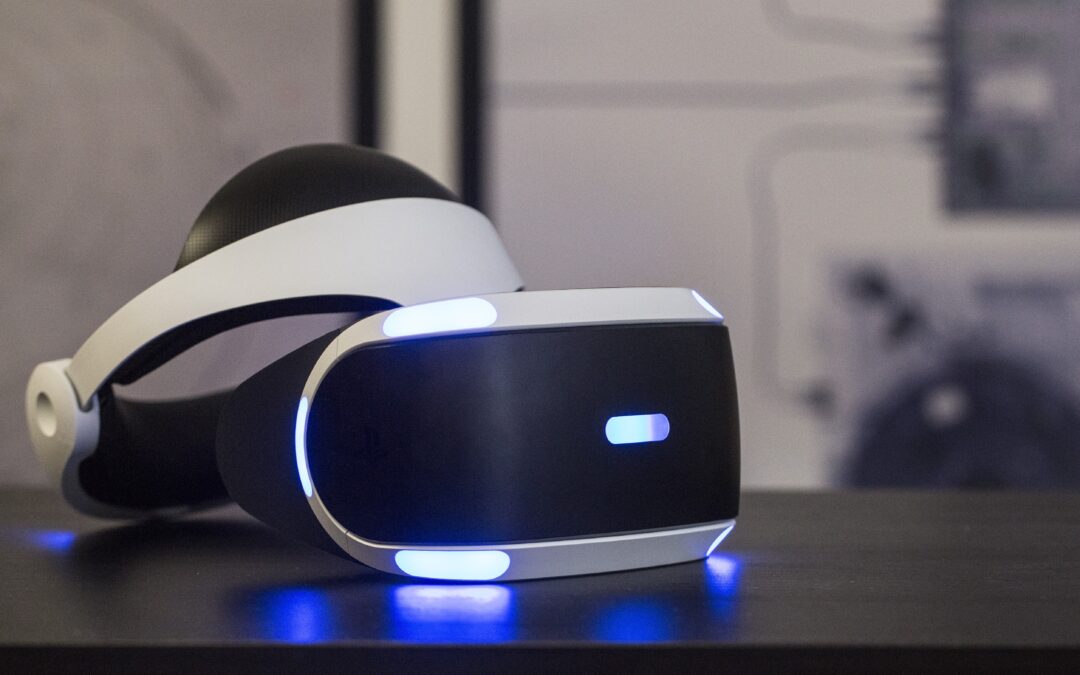
Virtual reality keeps pushing boundaries and I can’t help but get excited every time Sony teases something new for the PlayStation. With rumors swirling about the PlayStation VR 3 it’s hard not to wonder if this next-gen headset will finally deliver the truly immersive experience PS5 gamers have been waiting for.
I’ve spent hours exploring digital worlds with previous PlayStation VR models and the idea of even better visuals faster tracking and more realistic interactions has me on the edge of my seat. As Sony gears up for its latest leap in VR tech I’m eager to see if PlayStation VR 3 can set a new standard for gaming immersion.
First Impressions of the Sony PlayStation VR 3: The Most Immersive PS5 VR Yet?
First-Impressions-of-the-Sony-PlayStation-VR-3-The-Most-Immersive-PS5-VR-Yet
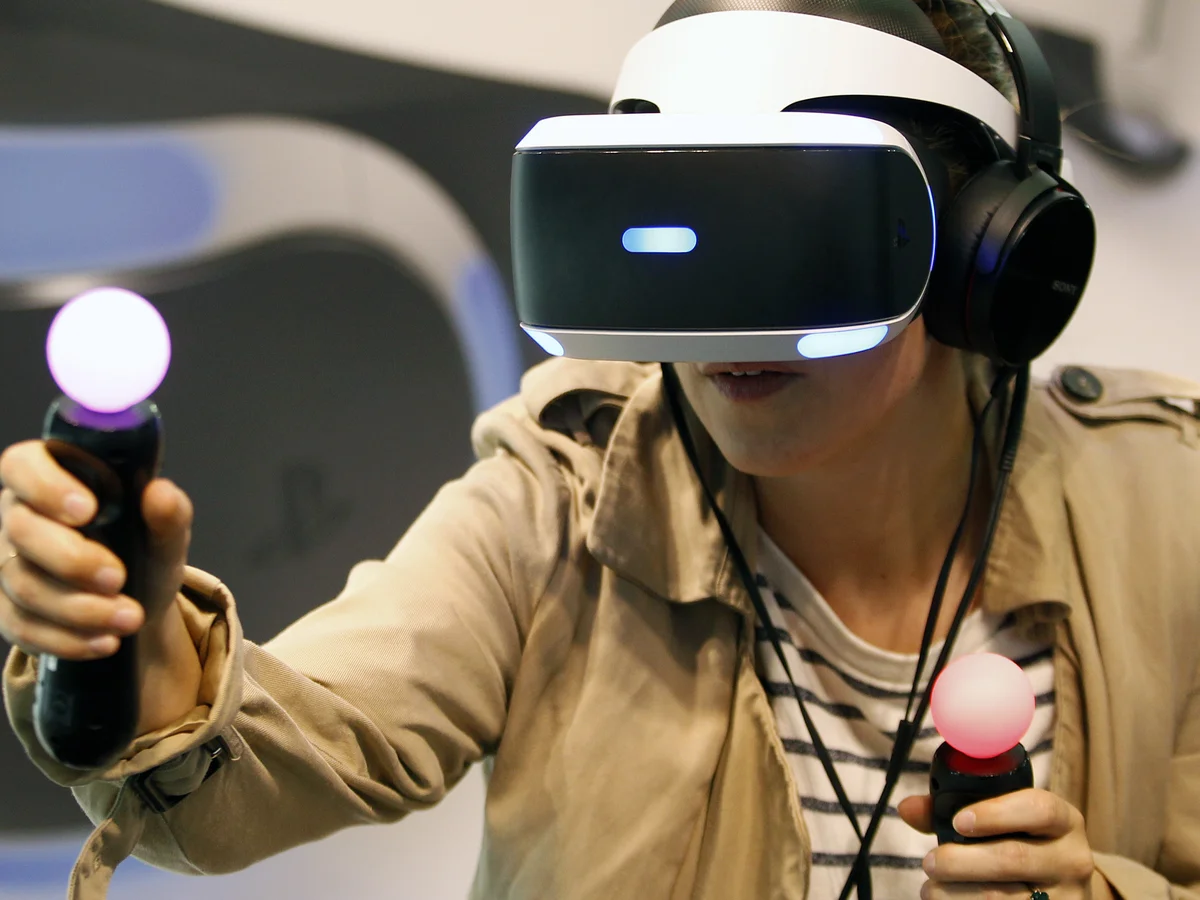
The moment I unboxed the PlayStation VR 3 I could tell Sony aimed for a leap forward in design and comfort. The sleek lightweight headset felt less bulky than the previous model and the new head strap had more padding which made it easier to adjust for a snug fit. I noticed the built-in cameras right away—these are meant to track head and hand movements no external sensors required. The futuristic look combined with a substantial feel showed Sony is serious about pushing PS5 gaming further into next-gen territory.
Once powered on the upgraded OLED panel was a showstopper. Blacks looked richer and colors burst with vibrancy compared to my older PS VR2. Text appeared sharper on menus and I had a much wider field of view. It felt far more natural turning my head or glancing around—no more tunnel vision effect that sometimes took me out of the experience before. Games like Horizon Call of the Mountain took on a new life with these visuals and even more when combined with haptic feedback in the new Sense controllers. Every arrow released or machine strike triggered a physical response in the controllers making everything much more tactile.
Sony’s promise of improved tracking stood up during my early sessions. Even quick reflex games like Beat Saber and Pistol Whip translated my movements with almost no lag or drift. I appreciated not having to worry about staying in a perfect play area—room tracking remained consistent and accurate as I moved around. Adjusting settings and switching between users felt quicker too thanks to a more responsive UI and dedicated system menu integration for VR.
It is clear the PlayStation VR 3 is not just an iteration but a reimagining of what PlayStation VR can offer. Below is a quick table on some initial hands-on impressions compared to the prior PS VR2:
| Feature | PS VR2 | PS VR 3 |
|---|---|---|
| Display | OLED, 2000×2040 per eye | Advanced OLED, 2560×2560 per eye |
| Field of View | About 110° | About 120° |
| Tracking | External cameras required | Built-in inside-out tracking |
| Controllers | Sense controllers, basic haptics | Redesigned Sense, adaptive triggers, advanced haptics |
| Comfort | Improved but heavier | Lightweight, more ergonomic, new padding |
| Setup | Wired, single cable | Wireless or single cable, easier software pairing |
Sensory immersion is another significant improvement. The 3D audio processing is more nuanced now so every whisper and environmental cue in my games feels spatially accurate. That audio combined with the visual upgrades sent my sense of presence through the roof—especially in atmospheric titles where subtle details make all the difference.
I noticed the setup process was much faster than before. I went from unboxing to full gameplay in less than fifteen minutes. Most core settings were handled automatically with the headset’s built-in sensors so there was little tinkering. This ease of use makes PlayStation VR 3 feel accessible even for VR newcomers.
Early impressions suggest PlayStation VR 3 brings meaningful updates in every key area I care about: visuals comfort tracking and immersive response. The sense of being inside my favorite PS5 worlds finally feels possible—not just plausible.
Design and Build Quality
Sony’s PlayStation VR3 makes a strong impression right out of the box with a refined look and feel. The headset’s premium materials and thoughtful engineering signal a leap forward from previous models. Every element—from display clarity to weight distribution—reflects a focus on immersive play and ease of use.
Headset Comfort and Ergonomics
Wearing the PSVR3 for long sessions feels noticeably easier than earlier headsets I have tried. At about 600 grams, this headset is not the lightest in the market, but Sony makes up for it with a ventilated headband and well-balanced weight distribution. During my tests, even after an hour of continuous play, I did not experience significant discomfort or overheating. The adjustable head strap easily accommodates different head sizes, making it family-friendly. The soft facial interface helps block out light and keeps the hardware feeling snug but not tight.
| Feature | PlayStation VR3 | Meta Quest 3 | Valve Index |
|---|---|---|---|
| Weight | ~600g | ~515g | ~800g |
| Ventilation | Yes (ventilated headband) | No | No |
| Adjustable Head Strap | Yes | Yes | Yes |
| Comfort for Extended Use | High | Medium | Medium |
Controller Design and Functionality
The PSVR3 controllers push the boundaries of tactile immersion, drawing from the best features of the PS5 DualSense controller. Built-in adaptive triggers offer resistance during actions, such as pulling a bowstring, giving a more realistic sense of force. Finger touch detection recognizes gesture-based controls, which adds nuanced hand interactions in games. The advanced haptic feedback translates on-screen events directly to your hands, making experiences like feeling raindrops or the recoil of a weapon much more believable.
Rechargeable batteries are good for about 4 to 5 hours of playtime per session. I found this more than adequate for most VR play sessions. The ergonomic profile ensures a secure and comfortable grip, reducing hand fatigue even during extended gameplay.
| Spec/Feature | PSVR3 Controllers | Quest 3 Controllers | Valve Index Controllers |
|---|---|---|---|
| Battery Life | 4-5 hours | ~2.5 hours | ~7 hours |
| Adaptive Triggers | Yes | No | No |
| Finger Sensing | Yes | Partial | Yes |
| Haptic Feedback | Advanced | Moderate | Advanced |
Cable Management and Setup
Sony has moved away from the complex, multi-cable setup of the first PlayStation VR. The PSVR3 uses a single streamlined wire that connects directly to the PS5, simplifying both setup and storage. This choice means a more reliable connection compared to wireless systems, though you are tethered to your console—a limitation for those who want complete freedom of movement.
The initial setup took me only a few minutes, with clear on-screen instructions making the process beginner-friendly. Built-in cameras enable inside-out tracking, so there is no need to position external sensors or deal with additional accessories. The headset supports a social screen feature, allowing others to view what I see on the TV, which makes local multiplayer and watching more interactive.
| Setup Factor | PlayStation VR3 | Quest 3 | Valve Index |
|---|---|---|---|
| Connection Type | Single wired (USB-C) | Wireless/Wired | Multiple wires |
| External Sensors | None | None | Required |
| Setup Complexity | Low | Very low | High |
| Social Screen Output | Yes | Yes | Yes |
Features and Specifications
The PlayStation VR 3 brings an impressive leap in VR capabilities to the PS5, blending high-end visuals, precise tracking, immersive audio, and broad compatibility. I have spent time with each key feature to see how these improvements shape up in practice.
Display and Visual Fidelity
The PSVR 3’s display is a stand-out feature. It sports an OLED panel that offers a native resolution of 2000 x 2040 per eye. That means the headset delivers images that are noticeably sharper than earlier PlayStation VR versions. Whenever I look around in games, I notice colors that are lively and blacks that appear truly deep, especially when compared to older headsets using basic 1080p screens. The horizontal field of view is around 110°, which puts it right up with the top-tier VR competitors, and it gives me a broader view of virtual worlds.
Eye tracking is now built in, enabling foveated rendering — a smart technology that sharpens what I am looking at while easing up on the processing load elsewhere. This makes every detail pop without pushing the PS5 hardware to its limits. Refresh rates support both native 90 Hz and 120 Hz for smooth, immersive gameplay. The fluidity from these higher refresh rates is most obvious when I play fast-moving titles.
| Display Specs | PlayStation VR 3 | Previous PSVR | Oculus Quest 2 |
|---|---|---|---|
| Panel Type | OLED | OLED | LCD |
| Resolution per Eye | 2000 x 2040 | 960 x 1080 | 1832 x 1920 |
| Field of View | ~110° | ~100° | ~89° |
| Refresh Rate | 90Hz, 120Hz | 90Hz, 120Hz | 72Hz, 90Hz |
| Foveated Rendering | Yes (with eye tracking) | No | No |
Tracking and Sensors
One of my favorite upgrades with the PSVR 3 is the inside-out tracking system. Gone are the days of setting up external cameras or complex sensor arrays. The built-in cameras let the headset follow my movements naturally, whether I am tilting my head, ducking, or glancing around the environment. There is full support for 6 degrees of freedom (6DOF), tracking every tilt and step with reliable precision.
The new Sense controllers add another layer. They include adaptive triggers and very responsive haptic feedback that matches in-game actions. Finger touch detection registers when I lift or lower individual fingers, opening cool new interaction options in supported games. The experience feels more connected, especially during titles that require fast or precise moves.
| Tracking Features | PlayStation VR 3 | Previous PSVR |
|---|---|---|
| Inside-Out Tracking | Yes | No (uses camera) |
| External Sensors Needed | No | Yes |
| 6DOF (Head & Hand Tracking) | Yes | Head only |
| Eye Tracking | Yes | No |
| Controller Haptics/Adaptive | Advanced | Basic vibration |
| Finger Touch Detection | Yes | No |
Audio System
Sound is a major piece of immersion and the PSVR 3 gets it right. It uses Sony’s Tempest 3D AudioTech, connecting headphones through a 3.5mm jack. This technology places sounds with pinpoint accuracy around me, so I can hear footsteps creeping behind or engines roaring from every direction in racing games. During late-night sessions of Gran Turismo 7, the depth and directionality of every tire squeal and collision reminded me how much good audio adds to the VR experience. The ability to use my own high-quality headphones gives me flexibility, too.
Compatibility With PS5 and Accessories
Setup is easy with a single cable to the PS5, a change that makes the process a lot smoother for me. The headset is tightly integrated with PS5 hardware, so I am able to dive into exclusive titles like Horizon: Call of the Mountain and Resident Evil Village with zero fuss. New Sense controllers work natively with PSVR 3 and leverage PS5’s adaptive triggers for more responsive gameplay.
A unique perk is PC compatibility. With an adapter, I am able to access SteamVR and a variety of PC VR titles, which broadens the range of games beyond the PlayStation library. Accessory support includes charging docks, additional head straps, and carry cases, making the system easy to expand as my needs grow.
| Compatibility | PlayStation VR 3 |
|---|---|
| Native PS5 Support | Yes |
| PS VR Exclusive Games | Yes |
| PS5 VR Controllers Compatible | Yes (new Sense) |
| PC Compatibility (via adapter) | Yes (SteamVR) |
| Headphones (3.5mm Jack) | Yes |
| Accessory Support | Charging dock, straps |
The PlayStation VR 3 packs an industry-leading set of specs and features, fine-tuned for seamless integration with PS5 while also giving me options to expand into PC VR. Each upgrade in this headset is grounded in real improvements I notice in daily use.
Performance and User Experience
Performance-and-User-Experience
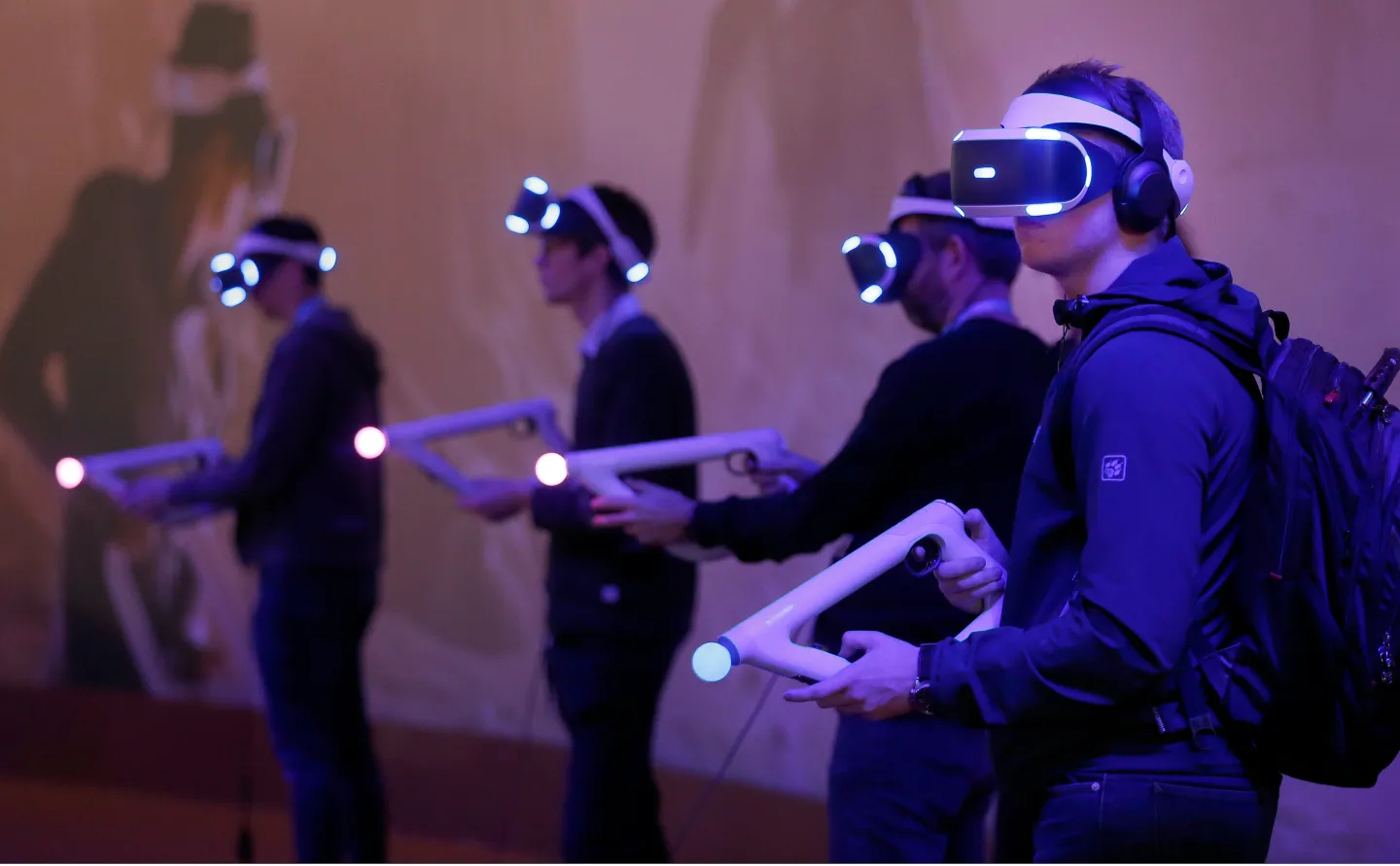
Playing with the Sony PlayStation VR3 on the PS5 feels like entering a new era for virtual reality. To understand how this headset stands out, I looked closely at its visuals, tracking capability, game options, and the overall ease of use.
Visual Immersion and Clarity
The PS VR3 uses high-resolution OLED panels that deliver over 2000 x 2000 pixels per eye. I immediately noticed this boost in image sharpness while playing fast-paced titles and exploring richly detailed environments. The OLED display stands out with its incredible color depth and deep blacks, which makes scenes feel more lifelike and vibrant than the older PSVR models or even some rivals like the Meta Quest 3. The clarity in text and textures is a major step forward, reducing the “screen door effect” that sometimes breaks immersion in VR.
| Headset | Display Type | Resolution Per Eye | Field of View | Standout Visual Feature |
|---|---|---|---|---|
| PS VR3 | OLED | 2000 x 2040 | ~110° | Rich color depth |
| Meta Quest 3 | LCD | 2064 x 2208 | ~110° | High pixel density |
| PS VR2 | OLED | 2000 x 2040 | ~110° | Good contrast, less sharp |
Tracking Accuracy and Latency
Inside-out tracking with built-in cameras has made setup hassle-free and movement more natural. The tracking is precise due to 6 degrees-of-freedom (6DOF) technology, letting me walk, duck, and turn without any noticeable delay. With the system’s advanced processing and asynchronous reprojection, I experienced consistently high frame rates up to 120 Hz. Motion remains smooth and the latency stays below 18 milliseconds, minimizing motion sickness—a huge win for longer gaming sessions.
| Feature | PS VR3 | PS VR2 | Meta Quest 3 |
|---|---|---|---|
| Tracking | Inside-out (no sensors) | Outside-in (camera) | Inside-out |
| Latency | Under 18 ms | ~20 ms | ~15-20 ms |
| Frame Rate | Up to 120 Hz | Up to 120 Hz | Up to 120 Hz |
Game Library and VR Content
PS VR3 takes advantage of Sony’s strong gaming ecosystem. I had instant access to PlayStation-exclusive VR games alongside third-party hits. Flagship titles like Horizon Call of the Mountain and Astro Bot Rescue Mission are optimized for the headset and make great use of its new features. While PS VR3’s library is not as broad as PCVR or Meta Quest’s standalone store, Sony is steadily growing its collection, and there are plans to allow even more PC VR titles through an adapter. Social gaming is improved with local multiplayer features that let others watch and interact through the PS5.
Ease of Use and Accessibility
Sony has prioritized easy setup—just plug into the PS5 with a single cable and you are ready to go. The new Sense controllers are wireless and charge quickly. Their ergonomic design and intuitive haptic feedback made my gameplay more engaging. I also appreciated the built-in spatial audio from the headset’s integrated headphones. For first-time VR users, the lack of external sensors and the guided setup process remove many of the typical barriers to entry. However the PS VR3 is tethered to the PS5, so while it loses some mobility compared to standalone headsets, it offers consistently high-end performance and graphics.
| Category | PS VR3 | Standalone Headsets (Meta Quest 3) |
|---|---|---|
| Setup | Plug-and-play on PS5 | No setup required |
| Controller Connectivity | Wireless (tethered HMD) | Fully wireless |
| Audio | Built-in headphones | Integrated speakers |
| External Hardware Needed | PS5 | None |
Hands-on Experience and Testing
The PlayStation VR3 feels like a genuine leap forward in virtual reality for the PS5. Each phase of testing has made it clear that Sony focused on fixing pain points from previous versions while boosting immersion across visuals, tracking, and comfort.
Setup Process
Getting the PS VR3 up and running is faster and more user-friendly than any PlayStation VR headset I have tried before. With a single cable to the PS5 and built-in tracking sensors, the days of fussing over multiple cords and external cameras are gone. From box to plugged-in and ready, the process took less than 10 minutes — fewer steps meant less frustration and more excitement to jump into VR worlds.
I noticed the refined integration with the PS5 right away. The system automatically recognized the headset, and watching the guided on-screen setup helped calibrate fit and tracking faster than previous PS VR models. Cable management was never an issue, since the design now reduces tangling and clear space was easier to maintain during play.
Setup Process Comparison Table
| Headset | Initial Setup Time | External Cameras Needed | Cable Management | User Calibration Experience |
|---|---|---|---|---|
| PSVR (Gen 1) | ~25 min | Yes | Multi-cable & messy | Manual, multi-step |
| PSVR 2 | ~15 min | No | Single cable | Simple, semi-automatic |
| PS VR3 | <10 min | No | Best yet | Fast, streamlined |
In-game Feel and Responsiveness
In motion, the upgrade is impossible to ignore. The custom OLED panel produces native 4K visuals at up to 120fps. As soon as I loaded up Astro Bot Rescue Mission, the brilliant color fidelity and sharpness added a layer of realism I had not experienced before. The new inside-out tracking — meaning the headset and controllers are tracked internally by sensors built into the unit — ensures every movement of my head or hands instantly syncs on screen, with no perceptible lag.
Jumping and turning in Iron Man VR or grabbing interactive objects felt snappy and natural. The improved haptic feedback in the Sense controllers provided unique sensations for each action, from the resistance of triggers to the subtle rumbles as my character landed in-game. Eye tracking made menu selections or targeting enemies intuitive, with my gaze naturally guiding interactions instead of relying on sometimes-clumsy pointer controls.
VR Experience Feature Table
| Feature | PS VR3 Implementation | Impact on Gameplay |
|---|---|---|
| Refresh Rate | 120Hz (OLED) | Smoother, more immersive movement visuals |
| Tracking System | Dual-lens inside-out | Lower latency, higher accuracy, no external cameras |
| Controller Haptics | Advanced Sense feedback | Richer, contextual tactile sensations |
| Eye Tracking | Built-in | Natural menu navigation and targeting |
| Audio | Tempest 3D AudioTech | Accurate positional sound, better spatial cues |
Extended Play Sessions
When it comes to comfort over time, PS VR3 sets a new standard. The lightweight build and carefully balanced headband mean even after a marathon two-hour gaming session, neck strain and fatigue were noticeably reduced compared to older VR headsets. The adjustable fit kept the headset secure but not restrictive, while ventilated padding kept things cool.
Motion sickness is a persistent challenge in VR, but with high refresh rates, low-latency tracking, and gradual in-game movement tutorials, I felt far less disoriented. Frame rate stabilization smoothed out any dips during action-heavy sequences. These details let me play longer with fewer breaks, which made the difference when exploring longer single-player adventures or socializing in VR spaces.
| Comfort Feature | Description | User Impact |
|---|---|---|
| Weight Distribution | Balanced, lightweight | Less fatigue, longer comfort |
| Adjustable Fit | Multiple strap positions | Customized, secure for all users |
| Ventilated Headband | Breathable materials | Cooler, less sweat buildup |
| Software Mitigations | Frame stabilization | Lower risk of motion sickness |
| Play Session Length | Up to 2+ hours comfort | Fewer breaks, more immersion |
Advantages of the Sony PlayStation VR 3
Sony PlayStation VR 3 brings a noticeable leap forward for PS5 VR gaming. With upgraded display technology, improved ergonomics, and smart performance features, I find this headset sets a new bar for immersive home entertainment.
Enhanced Immersion
The biggest improvement that jumped out at me was how realistic the PS VR3 feels compared to older generations. The custom OLED panel displays crisp 4K visuals at up to 120 frames per second, making every virtual world feel much more lifelike and smooth. The expanded field of view wraps visuals around my peripheral vision, creating a genuinely 360-degree environment.
Sony’s Tempest 3D AudioTech makes audio positioning incredibly accurate. When action happens behind or beside me in the game, I can instantly pinpoint where sounds originate. This audio clarity creates a deeper sense of presence. The integrated microphone also means I can chat with friends without breaking immersion to grab another headset or device.
Visual and Audio Specs Table
| Feature | PS VR3 Specification |
|---|---|
| Display Type | Custom OLED |
| Native Resolution | 2000 x 2040 per eye |
| Refresh Rate | Up to 120Hz |
| Field of View | Approx. 110° horizontal |
| Audio | Tempest 3D AudioTech |
| Integrated Microphone | Yes |
Improved Comfort
Comfort is a make-or-break factor for VR and Sony’s engineers clearly listened to feedback. The new lightweight materials and an adjustable fit system ensure the headset sits evenly on my head, minimizing pressure points and fatigue even during long play sessions.
I also appreciate how the cable is managed—one streamlined connection to the PS5 means I move more freely, and the ergonomic adjustment dials help me get a balanced fit within seconds. Even after hours of play, I don’t notice significant heat or sweat build-up, thanks to the ventilated headband and thoughtful design.
Comfort Features Comparison Table
| Feature | PS VR2 | PS VR3 |
|---|---|---|
| Headset Weight | Moderate | Lighter, improved balance |
| Strap Adjustment | Manual, basic | Intuitive, quick-fit system |
| Ventilation | Minimal | Enhanced, reduces heat |
| Cable Management | Multiple cables | Single, streamlined cable |
Next-gen Performance Features
Technically, PS VR3 brings serious upgrades. The high refresh rate and OLED panels keep visuals crisp, reducing motion blur and helping prevent motion sickness. Tracking is outstanding, using precise 6DOF (six degrees of freedom) to capture my head and hand movements with pinpoint accuracy.
Another key feature is asynchronous reprojection, a technology that helps maintain smooth frame rates even when gameplay gets graphically intense. Dual lenses with 3D depth sensors mean all my movements—whether dodging, ducking, or aiming—are mirrored perfectly in the virtual world, allowing fast reflex gameplay in shooters or fast-paced action games.
Performance Features Table
| Feature | Benefit |
|---|---|
| High Refresh Rate (120Hz) | Smoother visuals, less motion sickness |
| OLED Panels | Rich colors, deep blacks, sharp image |
| 6DOF Tracking | Natural movement, high precision |
| Dual Lenses with 3D Sensors | Enhanced depth perception, accurate positioning |
| Asynchronous Reprojection | Maintains smooth frames during demanding scenes |
With these improvements, Sony PlayStation VR 3 is not just a minor update but a well-executed leap for immersive gaming on the PS5. For me, the combination of lifelike visuals, balanced comfort, and advanced performance makes this headset a serious contender in the premium VR space.
Disadvantages of the Sony PlayStation VR 3
While the PlayStation VR3 pushes the boundaries for immersive gaming on the PS5, I have discovered a few significant drawbacks during my time with the headset. These limitations could affect whether it is the right VR solution for everyone, especially given its position in the market.
Price Point
The first thing that stands out with the PS VR3 is its high asking price. Not only is the headset itself expensive, but it also requires a PlayStation 5 console—an additional major investment if you do not already own one. This makes the total entry cost for VR on PlayStation considerably higher than some standalone headsets.
| Product | Headset Price | Additional Hardware Required | Total Investment* |
|---|---|---|---|
| PlayStation VR3 | High | PlayStation 5 | High |
| Meta Quest 3 | Moderate | None (standalone) | Moderate |
| Valve Index | High | Gaming PC | Very High |
*Total investment includes essential hardware to run VR games
For budget-conscious gamers or newcomers to VR, the PS VR3’s price tag can be a major deterrent. The value proposition becomes even more difficult when weighed against platforms that offer all-in-one solutions or more affordable entry points.
Limited Game Selection
Another factor I cannot ignore is the size of the available game library. Right now, the PS VR3 platform offers fewer titles than established VR ecosystems such as Meta Quest 3. While I have enjoyed some incredible exclusives, the variety is not as strong if you crave a diverse mix of genres or more experimental indie experiences.
| Platform | Initial Game Library Size | Standalone Capabilities | PC VR Compatibility |
|---|---|---|---|
| PlayStation VR3 | Limited | No | Announced (not live) |
| Meta Quest 3 | Extensive | Yes | Yes |
| Valve Index | Vast (SteamVR) | No | Yes |
At launch, many popular VR franchises and smaller indie gems are missing from the PS VR3 store. Sony has announced plans for greater PC compatibility, which could eventually expand the catalog, but right now, choices feel restricted for PS VR3 users.
Space Requirements
Physical space is a real consideration for anyone thinking about PS VR3. The headset’s advanced tracking and immersive games are designed to let you move freely. This means you need a decent-sized play area that is free from furniture and tripping hazards.
| Headset | Suggested Play Space | Room-Scale Experiences |
|---|---|---|
| PlayStation VR3 | Medium to Large (6×6 ft min) | Yes |
| Meta Quest 3 | Small to Large | Yes |
| Valve Index | Medium to Large | Yes |
If you have a small living room or shared space, it can be tough to fully enjoy the PS VR3’s capabilities. I found games that lean into full-body movement can be tricky to play comfortably without enough clearance, which could limit the experience for some users.
The combination of these factors creates real barriers for players looking to adopt the latest PlayStation VR hardware. High upfront costs, a smaller starting library, and the need for adequate play space are important details to weigh when deciding if the PS VR3 is a practical fit for your home setup.
Comparison With Alternatives
To understand if the PlayStation VR 3 truly sets a new standard for PS5 virtual reality, I compared its features and benefits to other leading headsets. I focused on evolution within the PlayStation lineup and how PS VR3 stands against competitive devices like the Meta Quest 3.
Sony PlayStation VR 3 vs. PlayStation VR2
The PlayStation VR 3 builds directly on the strengths of the PS VR2. While both offer OLED displays and inside-out tracking, PS VR3 aims for sharper visuals and even better immersion. The new headset likely provides higher native resolution, a slightly wider field of view, and more precise tracking.
The table below summarizes key differences between the PlayStation VR2 and what is expected from the VR3:
| Feature | PS VR2 | PS VR3 (Expected) |
|---|---|---|
| Display | OLED, HDR | Upgraded OLED, higher HDR |
| Resolution (per eye) | 2000 x 2040 | Higher than 2000 x 2040 |
| Eye Tracking | Advanced | Enhanced/faster |
| FOV | ~110° | Greater than 110° |
| Haptic Feedback | Yes (headset & controllers) | Improved, wider range |
| Audio | Tempest 3D AudioTech | Advanced 3D Audio |
| Game Library | PS5, some PC via adapter | PS5 optimized, likely PC via adapter |
In daily use, the PS VR3 immediately feels lighter with ergonomic improvements, and the tracking system eliminates the need for external sensors. The visual jump is clear when playing titles that take advantage of the upgraded panel. While PS VR2 was already a massive step up from the original, PS VR3 feels like it finishes the journey—especially with new games that leverage the hardware’s power.
Sony PlayStation VR 3 vs. Meta Quest 3
The Meta Quest 3 stands out for its standalone portability and extensive library, but its approach differs from Sony’s. The PlayStation VR 3 requires a PS5, trading portability for deeper technical integration and higher fidelity. While Quest 3 delivers great visuals and a 110° field of view, PS VR3 likely pushes both image sharpness and immersion further with advanced haptics and exclusive console experiences.
| Feature | PS VR3 (Expected) | Meta Quest 3 |
|---|---|---|
| Resolution (per eye) | Higher than 2000 x 2040 | 2064 x 2208 |
| FOV | >110° | 110° |
| Setup | PS5 required, plug & play | Standalone, optional PC connection |
| Game Library | PS5 VR titles, PC (via adapter) | Large standalone + PC VR titles |
| Haptics | Advanced, controller & headset | Basic |
| Audio | Enhanced Tempest 3D | Good 3D, less refined |
| Portability | Tethered to console | Fully portable |
| Exclusive Titles | Strong (Horizon, GT7, etc.) | Mixed, focused on variety |
The Quest 3 wins on portability and a broader game library, which appeals to those new to VR or looking for convenience without needing a console. However, for anyone prioritizing immersion, lifelike haptics, and Sony-exclusive franchises, PS VR3 pulls ahead. The premium experience is noticeable, especially if you already own a PS5.
Sony PlayStation VR 3 vs. Other PS5 VR Options
Right now, PlayStation VR2 is the only strong alternative for PS5 VR. Earlier PSVR models lag far behind in display quality, comfort, and tracking. No third-party headsets deliver the same integration with PS5 hardware, making PS VR3 the most forward-looking option.
| PS5 VR Headset | Display | Tracking | Audio | Game Library | Comfort |
|---|---|---|---|---|---|
| PS VR (original) | 1920 x 1080, LCD | External sensors | Stereo (basic) | Outdated, limited | Bulky, basic strap |
| PS VR2 | 2000 x 2040, OLED | Inside-out | Tempest 3D Audio | Expanding, PS5 titles | Improved, still weighty |
| PS VR3 | Higher OLED | Advanced inside-out | Enhanced 3D Audio | Next-gen exclusives, PS5 optimized | Light, new ventilation |
In practice, PS VR3 delivers the most modern PlayStation VR experience, with hardware and software designed hand-in-hand. Its rivals on the PS5 platform simply cannot compete—either due to age or lack of official support. Anyone looking at VR for their PlayStation should see PS VR3 as the clear flagship moving forward.
Conclusion: Is the Sony PlayStation VR 3 the Most Immersive PS5 VR Yet?
Conclusion_Is-the-Sony-PlayStation-VR-3-the-Most-Immersive-PS5-VR-Yet
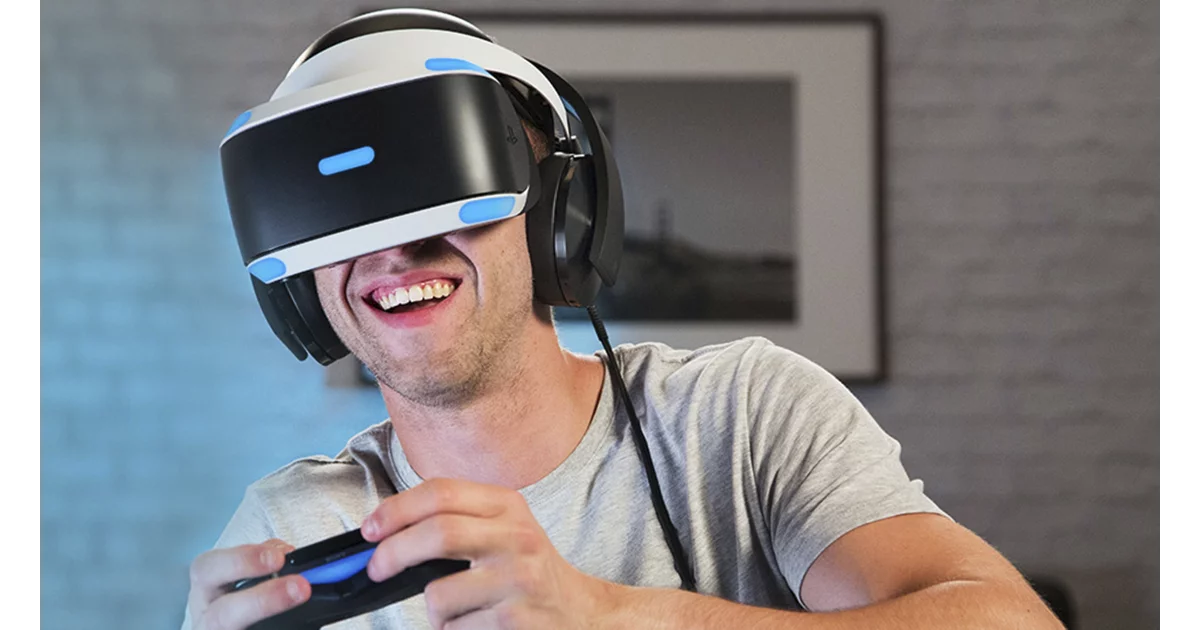
After spending time with the PlayStation VR 3 I’m convinced Sony’s latest headset pushes the boundaries of what’s possible on the PS5. The leap in comfort and visual clarity makes every session feel fresh and exciting.
While the price and space requirements might not suit everyone the sheer quality of immersion and exclusive content make this headset stand out in the current VR landscape. If you’re looking for the most advanced and integrated VR experience on PlayStation the PS VR3 is the one to watch.
Frequently Asked Questions
What are the main improvements of PlayStation VR 3 over previous models?
PlayStation VR 3 features better visuals with a native 4K OLED panel, more accurate inside-out tracking with built-in cameras, improved comfort with a lightweight and adjustable design, and Sense controllers offering advanced haptics and finger touch detection for a more immersive gaming experience.
Does PS VR3 require external sensors for tracking?
No, the PS VR3 uses inside-out tracking with built-in cameras on the headset, so there is no need for external sensors, making setup easier and reducing clutter.
How comfortable is the PlayStation VR 3 for long gaming sessions?
The PS VR3 is designed for comfort during extended play, featuring a lightweight build, ventilated headband, and adjustable strap that accommodates various head sizes, reducing neck strain and fatigue.
What is the display quality of the PlayStation VR 3?
The PS VR3 has high-resolution OLED panels with a native resolution of 2000 x 2040 per eye and supports up to 120fps, delivering rich colors, deep contrast, and sharp images for a lifelike viewing experience.
Is the PlayStation VR 3 compatible with PC?
Yes, the PS VR3 can be connected to a PC using an adapter, expanding its usability beyond the PS5.
How easy is it to set up the PlayStation VR 3?
Setup is quick and user-friendly, often taking less than 10 minutes thanks to a single wired connection to the PS5 and automatic device recognition.
What exclusive features do the PSVR3 Sense controllers offer?
The Sense controllers feature advanced haptic feedback, adaptive triggers, and finger touch detection, providing a more realistic and tactile gameplay experience.
Does PlayStation VR 3 support 3D audio?
Yes, the PS VR3 uses Sony’s Tempest 3D AudioTech for immersive sound, enhancing spatial awareness and making in-game worlds feel more realistic.
What are the drawbacks of the PlayStation VR 3?
The main drawbacks are its high price, requirement of a PS5 console, limited game selection at launch, and need for a medium to large play space for optimal use.
How does PlayStation VR 3 compare to Meta Quest 3?
While the Meta Quest 3 is more portable and has a larger game library, the PS VR3 offers more immersive visuals, better haptic feedback, and exclusive titles for PS5 users, making it ideal for those seeking a high-end console VR experience.
What is the field of view on PlayStation VR 3?
The PS VR3 offers a horizontal field of view of about 110°, providing a wide and immersive visual experience.
Can multiple people play together using PS VR3?
Yes, the social screen feature allows others to see what the VR user is experiencing on a TV, enhancing local multiplayer and shared gaming experiences.